Pen Art: A Complete Guide to Drawing with Ink
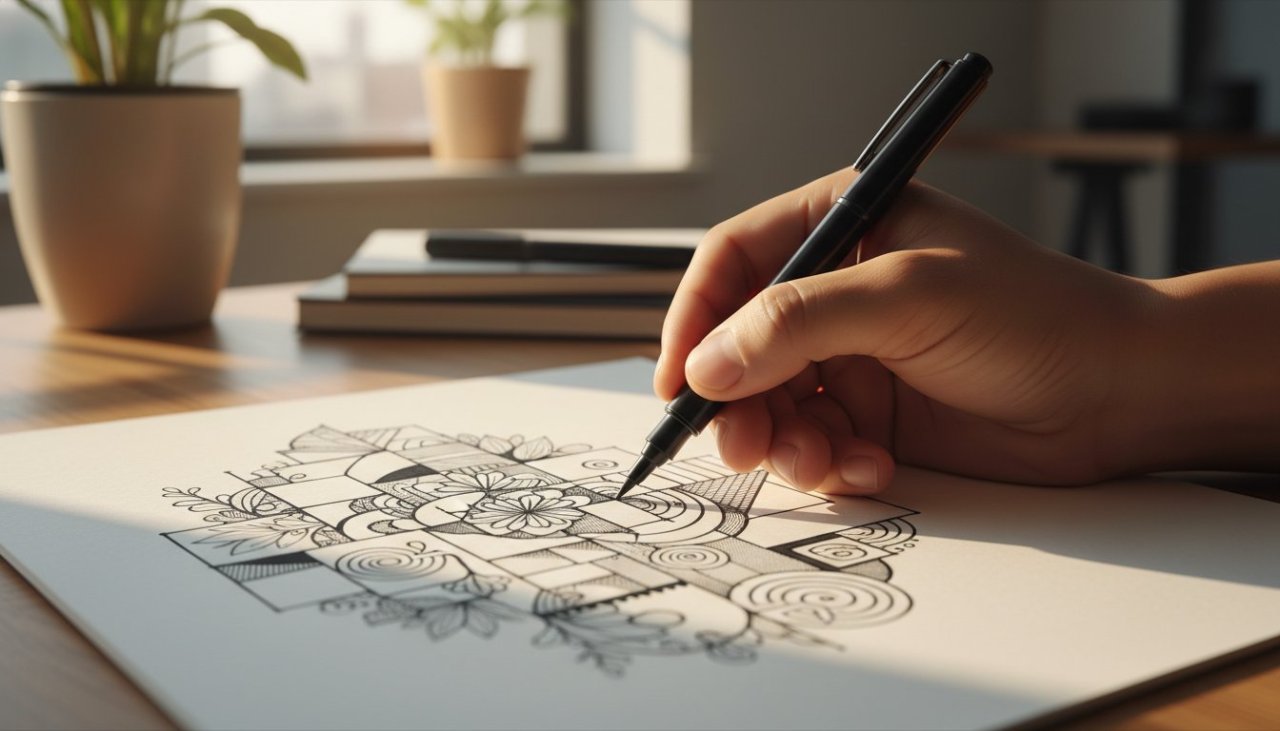
Welcome to my creative world! I'm Annesha, and I believe every piece of art tells a story. While I am most known for my oil paintings, I have a deep passion for the simple, profound beauty of pen and ink. This guide is for anyone curious about this incredible medium. Together, we'll discover the world of pen art, from basic techniques and essential tools to why it's a timeless medium for both artists and collectors.
What is Pen Art? More Than Just a Sketch
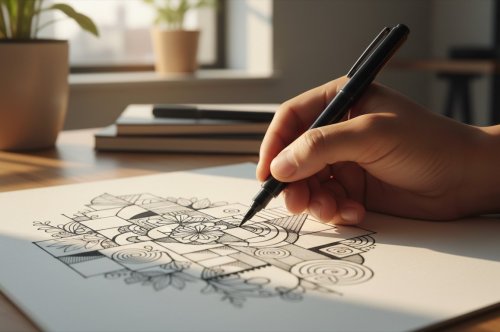
At its heart, pen art is the craft of creating images using pens and ink on a surface, most often paper. But it's so much more than just a simple sketch or a doodle in a notebook. It is a distinct and challenging medium defined by its permanence and precision. Unlike pencil, there is no erasing; every line is a commitment, a direct expression of the artist's hand. This is where its magic lies. Through the careful layering of simple lines, an artist can build incredible depth, emotion, and texture, telling a complex story with the most fundamental of tools. From ancient manuscripts to modern masterpieces, pen and ink has a long and storied history in the world of fine art.
Key Pen Art Techniques Explained
The beauty of pen art comes from creating tone and shadow without smudging or blending. Instead, artists use a variety of disciplined line-work techniques to build form. Here are some of the most fundamental methods:
Hatching: This technique involves drawing a series of fine, parallel lines close to one another to create value and shading. The closer the lines, the darker the area appears.Cross-Hatching: To build deeper shadows and more complex forms, artists layer a second set of hatching lines at an angle to the first. This method is perfect for creating rich depth and texture.Stippling: A meticulous and patient technique, stippling uses thousands of tiny dots to build up an image. The density of the dots determines the lightness or darkness of an area, resulting in soft, subtle tones.Scribbling: Don't let the name fool you; this is a controlled and expressive technique. By using random, overlapping, and often multi-directional lines, an artist can create a sense of energy, movement, and raw texture.
Essential Tools for the Pen Artist
While you can start with any pen, dedicated artists often choose specific tools to achieve their desired effect. The right combination of pen and paper can transform a simple drawing into a lasting work of art.
Fineliner Pens: These are my go-to for many pieces. They produce crisp, consistent lines of a specific width, making them perfect for detailed work, hatching, and stippling.Fountain Pens: For more expressive and calligraphic lines, a fountain pen is a beautiful choice. The line width can vary with pressure and angle, adding a dynamic, personal touch to the artwork.Ballpoint Pens: An incredibly accessible and often underestimated tool, the humble ballpoint pen can be used to create stunningly realistic and detailed art through careful layering and pressure control.The importance of choosing the right paper: To ensure the artwork lasts and the ink doesn'bleed, using high-quality, acid-free paper is essential. A smooth surface, like Bristol board, is often preferred for its ability tohandle fine detail without feathering.
Why Collect Original Pen Art?
There is a special intimacy to an original pen drawing. Because there is no room for error, a finished piece is a direct testament to the artist's raw skill, confidence, and steady hand. It’s a raw, unfiltered glimpse into the creative process. When you own a piece of original pen art, you are holding something truly unique—a one-of-a-kind creation that cannot be replicated. The intricate details invite you to look closer, to trace the lines with your eyes, and to appreciate the patient hours that went into its creation.
How Pen Art Complements a Painting Collection
If you are an art collector, introducing pen drawings into a collection of paintings can create a beautiful and dynamic display. Here’s why they work so well together:
It adds a wonderful variety in medium, scale, and texture to your walls, creating more visual interest.A pen drawing often showcases an artist's foundational skill and versatility, revealing the "bones" of their creative talent.Original pen art can be a more accessible and affordable entry point for new collectors looking to own a unique piece from an artist they admire.It allows you to own a different kind of story from the same artist. To see this in practice, feel free to [explore my collection of original artworks.](https://anneshascanvas.com)
What to Look for When Buying Pen Artwork
When you're ready to add a pen drawing to your collection, here are a few things to keep in mind to ensure you're choosing a quality piece:
Confident Linework: Look for lines that are placed with intention and consistency. This is a sign of a skilled and experienced artist.Composition: Consider how the artist uses the entire space, including the "negative space" (the empty areas). A strong composition will feel balanced and draw your eye through the piece.Quality of Materials: Ensure the artist uses archival, acid-free paper and quality inks. This guarantees that your investment will not fade or yellow over time. -A Personal Connection: Above all, choose a piece that tells a story you connect with. Art is personal, and the right piece will speak to you every time you look at it.